Shared Benches, Separate Reputations: The Quiet Economics of Sheffield's Workshop Alliances
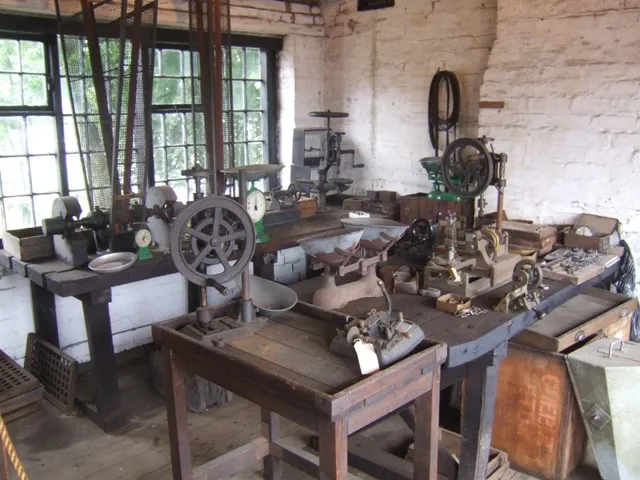
Photo: John M , CC BY-SA 2.0, via Wikimedia Commons
Walk into a Sheffield knife workshop and the address still carries weight. A maker's premises are part of the story: the bench, the wheel, the light over the finishing area. In 2026, however, the economics of that story are changing. Rent, business rates, electricity, extraction and insurance do not shrink because a maker works alone. For small cutlery businesses, the shared bench has become less a novelty than a survival strategy.
The question is whether bench-sharing can keep Sheffield's knife-making skills viable without blurring the accountability that buyers expect. The answer depends less on sentiment than on governance.
The arithmetic behind a shared bench
A single maker may use a grinding room for a few hours a day and a finishing bench for rather longer. The fixed costs, meanwhile, run for every hour the unit is occupied. Co-renting converts some of that fixed burden into a shared charge. It can also spread the cost of extraction, compressed air, tooling and the less glamorous infrastructure that makes a workshop safe and lawful.
The saving is real, but it is not free. Shared space creates coordination costs: diary clashes, consumable disputes, cleaning rotas and the question of who pays when a machine is out of action. A maker who values uninterrupted bench time may find that a cheaper rent buys a more fragmented week. The honest calculation is not simply rent divided by benches. It is rent plus administration plus lost hours, compared with the alternative of a sole-occupied unit.
Four rooms, one diary
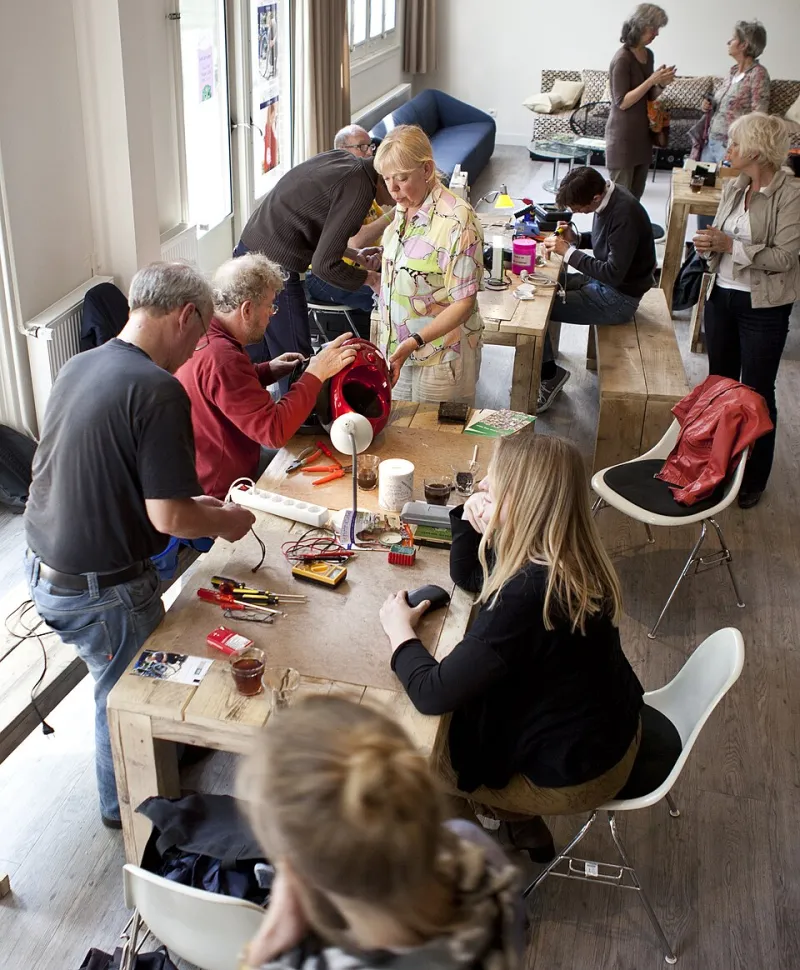
Bench-sharing works best when the work is separated by function rather than by personality. A communal grinding room is a different proposition from a shared finishing bench. Grinding brings dust, noise, heat and fire risk. It demands extraction, personal protective equipment and clear rules about what may be ground and when. Finishing is quieter but no less particular: a stray coarse grit can undo an hour of careful work.
Scheduling is therefore a craft skill in its own right. The successful arrangements tend to use bookings, not informal understandings. They separate hot work from clean work. They keep individual storage for blades, handles and work in progress. They define who cleans what, and when. A workshop that runs on goodwill alone may work for two makers who know each other well. It becomes fragile when a third joins.
Insurance is the quiet gatekeeper
Shared premises do not automatically mean shared liability. Public liability, product liability, machinery cover and landlord obligations all need to be understood before the first shared invoice is paid. A maker's insurance may assume exclusive occupation of a unit; a landlord's policy may not contemplate several independent businesses under one roof. The details matter, and they are rarely settled by a handshake.
This is not a reason to avoid bench-sharing. It is a reason to treat it as a business arrangement rather than a favour between friends. A written agreement that names responsibilities, hours, storage, waste, machine maintenance and notice periods is not bureaucratic fuss. It is the difference between a workshop alliance and a slow disagreement.
Reading a workshop arrangement honestly
For buyers, the relevant question is not whether a knife was made in a shared workshop. It is who remains accountable for the knife. A shared address can host several distinct businesses, each with its own standards, records and reputation. Collaboration is not dilution by default.
A maker should be able to say, plainly, where the blade was ground, where it was heat treated and who finished it. The Sheffield claim on a kitchen knife should rest on accurate description, not on the romance of a communal roof. Buyers should be wary of any arrangement that uses shared premises to imply a larger operation than exists, just as they should be wary of a maker who cannot explain the division of labour.
The better signal is specificity. A named maker, a consistent finish, a clear care note and a willingness to answer questions about the process are worth more than a workshop photograph. Bench-sharing may be a sensible commercial choice, but it is not itself a badge of quality.
Collaboration without dilution
The strongest argument for shared benches is not cost alone. It is proximity. Skills transfer when makers work near one another: a younger grinder learns to read a heat line, a retired hand notices a flaw before it reaches the finishing stage, a sole trader finds someone to check a suspicious batch of steel. Sheffield's cutlery trade has always depended on such informal exchange.
There are risks. Shared space can encourage a house style, or a race towards the lowest common denominator of finish. It can blur authorship if makers do not keep their identities distinct. It can also expose a workshop to the failure of one tenant. The remedy is not to reject collaboration but to design it: separate brand identities, separate batch records, peer review where it is welcome, and a clear procedure for rejecting substandard work.
What would make it work
A viable bench-share in Sheffield needs a few unglamorous things: a written agreement, a booking system that reflects real work patterns, separate storage, shared extraction maintained to a proper standard, and insurance checked by someone who understands small manufacturing. It also needs a quality culture. Sharing a grinder should not mean sharing a standard.
The bench-share economy is not a rescue plan for every small cutlery business. It is one response to the fixed costs of making well. Its value lies in whether it lowers overhead without lowering the guard. If it does, it can help keep skilled hands at the bench. If it merely spreads the rent while blurring the responsibility, it will be remembered as a false economy.
Buyers should reward the arrangements that keep accountability visible. Sheffield's reputation was not built on shared roofs. It was built on work that could be inspected, explained and signed for. That test still holds in 2026.