What the Board Demands: Choosing Sheffield Cheese Knives That Actually Work in 2026
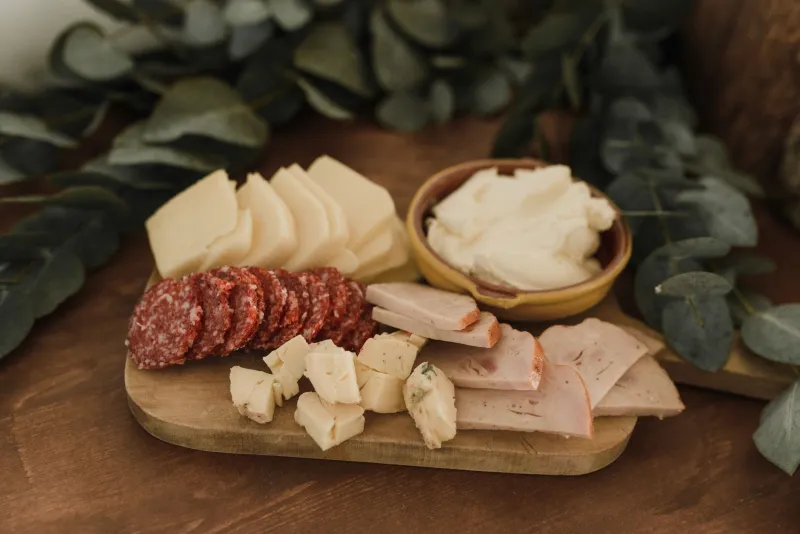
A cheese board is not a single cutting task. It is a small sequence of problems: a ripe brie that wants to be parted without being pressed, a dense cheddar that resists a thin blade, a Caerphilly that crumbles at the least provocation, and a blue cheese that clings to steel like mortar to a trowel. The cheese knife is often the last item considered when a cutlery drawer is assembled, and it is frequently the one that performs least well. In 2026, Sheffield buyers have good reason to look more closely at the category, because the city still knows how to make a thin, well-treated blade. The question is whether the design around that blade has been thought through for the British board.
Why Cheese Is a Different Cutting Problem
Most kitchen knives are designed to part food cleanly with a drawing or rocking motion. Cheese asks for something else. Soft cheeses need a blade that will not drag or compress the paste; crumbly cheeses need either a very thin edge or a wire; hard cheeses need a short, stiff blade that can be pressed through without flexing; and blue cheeses need a narrow profile that leaves less surface for the cheese to grip. A single generic cheese knife, usually a short blade with two prongs at the tip, is a compromise that suits very few of these tasks well.
The failure is usually one of geometry rather than steel quality. A blade that is too thick will crush a soft cheese before the edge has done its work. A serrated edge can tear a delicate rind and leave an untidy board. A highly polished blade may look handsome but can encourage sticky cheeses to cling. Sheffield makers understand thin stock and clean grinds; where the category sometimes goes astray is in treating the cheese knife as a decorative accessory rather than a working tool.
What Sheffield Gets Right
The city's strength lies in the fundamentals. Sheffield workshops have long experience of rolling and grinding thin blade stock, and the best cheese knives from the city show a controlled taper rather than a slab of steel with an edge applied at the last moment. Heat treatment matters here as it does elsewhere: a blade that is too soft will roll or dull quickly against hard cheese, while one that is too hard can chip when it meets a rind or a board. A sensible middle ground, properly tempered, gives a cheese knife the toughness it needs without making it brittle.
Sheffield also retains an advantage in small-batch specification. A buyer who speaks directly to a workshop can ask for a shorter blade for cheddar, a narrower profile for blue cheese, or a thin, flexible blade for soft cheese. That kind of conversation is difficult with a large imported set. The hands at the bench can still make a difference, and the city's best cheese knives reflect a maker who has thought about the food rather than only the display.
Where Design Still Slips
The weaknesses are familiar. Novelty handles, particularly those shaped like animals or cheese wedges, tend to prioritise gift appeal over grip. Handles that are too smooth become treacherous when handling a damp piece of cheese. Over-polished blades look impressive in a box but can be less practical with sticky blues. Sets are another area of concern: a matched pair or trio may include one useful knife and two that are rarely reached for. Buyers should be sceptical of any set that does not explain what each blade is for.
There is also a tendency to confuse cheese wire with cheese knife. A wire is excellent for crumbly cheeses and for clean portions of soft cheese, but it is not a Sheffield edge and should not be bought as a substitute for one. The two tools do different jobs. A well-made cheese knife should be judged on whether it can be used repeatedly in service without crushing, tearing or clinging.
At the Counter: Lessons from Service
A visit to a busy cheesemonger makes the point quickly. On a good counter, the knives are not a matching set chosen for appearance. They are a working collection: a thin, flexible blade for soft cheeses; a short, stiff blade for dense cheddars and Lancashire; a narrow knife for blues; and often a wire for crumbly Caerphilly or Cheshire. The monger values clean cuts because they reduce waste and make the board look cared for. A knife that crushes a soft cheese is not merely inefficient; it changes the texture of the portion.
Service also exposes handle design. Hands are damp, boards are busy, and the knife is put down and picked up many times an hour. A handle that feels elegant in a shop may feel insecure after ten minutes of work. The best cheese knives at the counter tend to be plain, balanced and easy to wipe. That is not a rejection of craftsmanship; it is craftsmanship directed at the right problem.
A Buyer's Guide for the British Board
Begin with the cheeses you actually eat. A household that lives on mature cheddar and Stilton needs different tools from one that keeps a ripe brie for the weekend. For a general British board, three blades will cover most occasions: a thin soft-cheese knife, a short hard-cheese knife, and a narrow blue-cheese knife. A wire is a sensible addition if crumbly cheeses are regular guests.
Look at blade stock before decoration. A cheese knife should be thin behind the edge and appropriately stiff for its role. Check that the handle gives a secure grip when wet and that the transition from handle to blade is smooth enough to wipe clean. Ask about steel and heat treatment; a Sheffield maker should be able to explain both without resorting to vague heritage claims. Carbon steel is perfectly suitable for cheese knives if the buyer is prepared to dry the blade promptly, while stainless steel suits a more casual household. Neither should go in a dishwasher.
Buy individual knives where possible. A set can be good value, but only if each piece has a clear purpose. Resist the temptation to buy a decorative box simply because it looks complete. In 2026, the better Sheffield cheese knives are sold as working tools with a clear brief, and that is the right standard to apply.
The Place of the Cheese Knife
A cheese knife earns its place by being used, not by sitting in a drawer as part of a matched suite. Sheffield's advantage is not that it invented the cheese course; it is that the city still possesses the bench skills to make a thin, durable blade with a handle that can be gripped in service. Buyers who ask for the right geometry, and makers who resist the pull of the novelty market, can produce cheese knives that are as practical as they are handsome. The British board deserves that attention. So does the Sheffield name on the blade.